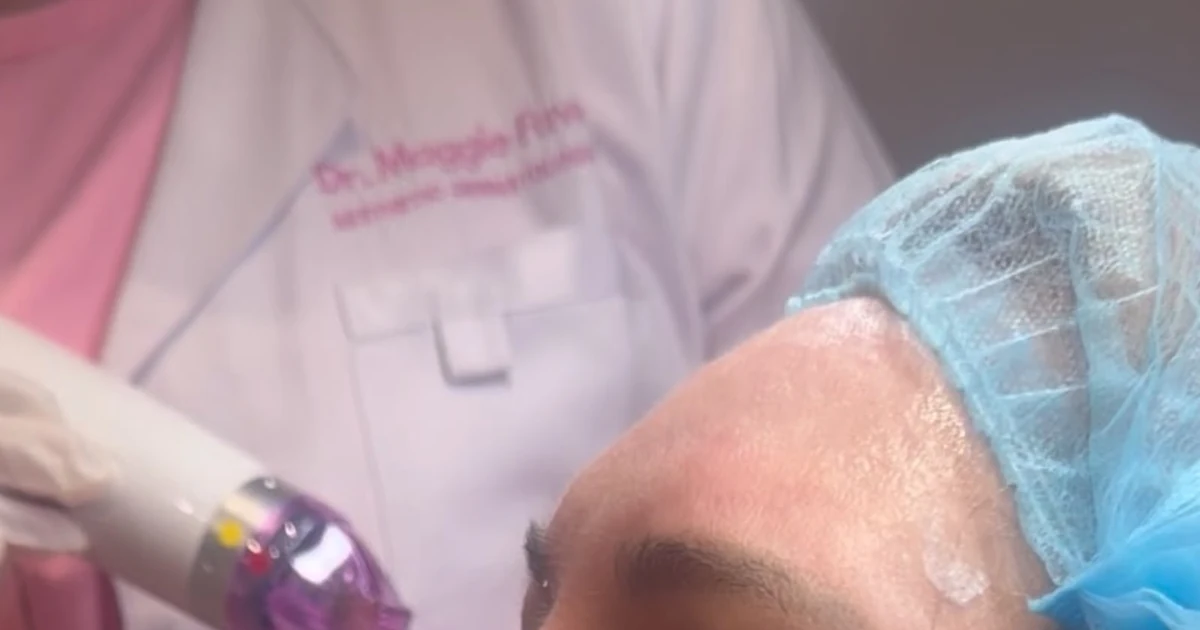
Treatment comparison
RF Microneedling vs Microneedling: Which Fits Your Skin?
A useful comparison of collagen induction with and without radiofrequency, written for people choosing a treatment rather than a trend.
RF microneedling vs microneedling is not a choice between a good treatment and a bad one. Both use controlled skin punctures to start a repair response. RF devices additionally deliver heat beneath the skin. The right option depends on whether your priority is texture, scarring, mild laxity, pigmentation risk, acceptable downtime and the experience of the person performing the procedure. Here is a practical decision framework for patients in Cairo.
Key takeaways
- Traditional microneedling creates controlled micro-injuries; RF microneedling adds thermal energy delivered through needles.
- Neither method reliably replaces scar-specific treatment, and deeper scars may need a combination approach.
- More energy is not automatically better. Your skin type, anatomy, device and clinician skill shape the benefit-risk balance.
- The FDA published a specific RF microneedling safety communication in October 2025. A proper consultation should discuss it.
- Compare the proposed treatment plan and expected improvement, not only the price of one session.
Article contents
How the Two Procedures Actually Differ
Traditional microneedling uses fine sterile needles to create many controlled punctures. The healing response may stimulate collagen and elastin and gradually improve selected scars, fine lines and uneven texture. The skin does not change overnight: remodeling takes time, and the number of appointments depends on the concern being treated.
Radiofrequency microneedling uses needles that also transmit radiofrequency energy into selected tissue depths. The additional thermal effect can be useful for certain collagen and laxity goals, but it adds another variable to treatment planning. Needle depth, pulse energy, where the tip sits and how many passes are performed become important clinical decisions.
These are categories of procedures, not two standardized packages. Different devices, tip configurations and protocols can make one clinic visit very different from another. Ask what device is planned and why the proposed settings suit your face rather than assuming every RF treatment is comparable.
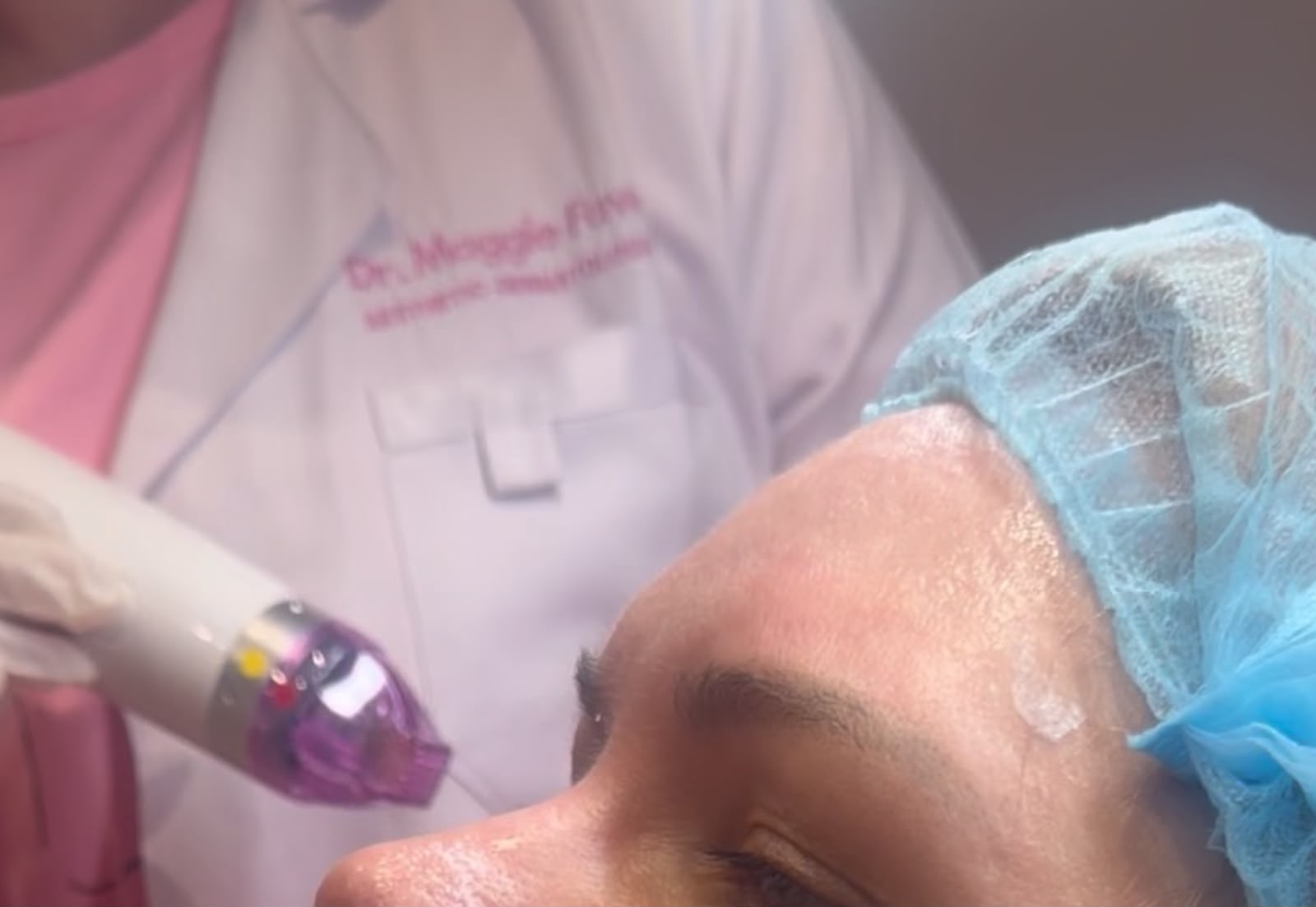
RF Microneedling vs Microneedling: Side-by-Side
This comparison is a starting point for a medical conversation, not an automatic ranking of technologies. In particular, a technique that reaches deeper tissue is not automatically the appropriate choice for every scar or every skin type.
| Decision point | Conventional microneedling | RF microneedling |
|---|---|---|
| How it works | Controlled needle punctures prompt a healing response. | Needle punctures plus radiofrequency-induced heat at selected depths. |
| Typical discussion | Texture, some acne scars and general skin appearance. | Texture, some acne scars and selected mild tightening concerns. |
| Skin tones | May be suitable for a wide range of skin tones with proper technique. | May be used across skin tones, but energy selection and complication risk require careful assessment. |
| Recovery | Redness or discoloration and sensitivity commonly settle over days. | Recovery varies by RF settings and depth; sometimes longer or more intensive. |
| Main safety question | Needle technique, hygiene, infection prevention and pigmentation. | All of those, plus burn, scarring, fat-loss and nerve-related risks reported with certain uses. |
| What to compare in a quote | Clinical assessment, area, depth, number of sessions and aftercare. | All of those plus device, energy settings, operator training and risk counseling. |
Which Is Better for Acne Scars and Large Pores?
First identify what is being treated. A shallow boxcar scar, a deep ice-pick scar, a rolling scar held down by fibrous bands and a brown post-acne mark are different problems. A device may improve the surface around a scar while leaving the underlying cause in place. That is why treatment selection should begin with a scar assessment rather than a procedure menu.
The American Academy of Dermatology describes both microneedling and RF-assisted microneedling as options used by dermatologists for selected acne scars. It also describes laser resurfacing, subcision and other approaches for different scar patterns. If a clinic promises that one RF session will remove every acne scar, ask for a more realistic explanation of the likely improvement and limitations.
Large pores can appear more visible when skin is oily, scarred or sun-damaged. Collagen remodeling may improve their appearance for some patients; it cannot permanently eliminate pores. Active acne, inflammation or an untreated skin condition may need attention before either procedure.
What About Mild Skin Laxity and Fine Lines?
Heat delivery is one reason patients investigate RF microneedling for mild laxity. It may fit a patient seeking modest skin-quality improvement who understands that energy-based treatments do not reproduce surgical repositioning. Conventional microneedling can still be reasonable when the main goal is texture rather than deeper heating.
The word tightening is often used far too loosely in aesthetic advertising. Ask what change the clinician expects in your particular area: improved crepey texture, a subtle reduction in laxity or a change in facial contour are not the same outcome. Substantial jowling, major volume loss or significant excess skin may call for a different conversation, including a surgical opinion where appropriate.
If you mainly want lifting rather than texture change, compare the broader options with a qualified clinician instead of assuming a needle-based procedure must be first choice.
Safety Matters More Than the Device Name
In October 2025, the US Food and Drug Administration warned about serious complications reported with certain uses of RF microneedling, including burns, scarring, fat loss, disfigurement and nerve injury. This does not mean every patient will experience those outcomes. It means a high-quality consultation must explain meaningful risks, clinician training, device selection and the plan if an unexpected reaction occurs.
Ask whether your clinician performs these procedures routinely, what kind of skin assessment is performed, whether the skin will be checked for active infection or other contraindications, how sterile single-use components are managed, and how depth and energy are chosen. Be especially cautious of non-medical providers claiming that RF microneedling is a harmless facial.
Skin of color deserves deliberate settings and aftercare because post-inflammatory pigmentation can follow poorly selected procedures. Neither conventional needles nor RF energy makes pigmentation or scarring risk disappear. Past unusual healing, cold sores, medications and prior treatments should be disclosed before consent.
Pain, Recovery and Session Planning
Both treatments can produce temporary redness, warmth, swelling and sensitivity. A patient may feel able to resume routine activities quickly yet still need to protect a temporarily fragile skin barrier. Depth, energy, treatment area and individual reactivity affect the course. A promised universal downtime of zero is not a useful clinical guarantee.
For microneedling, the AAD advises waiting at least 24 hours before applying makeup; a clinician may prescribe different or longer restrictions after an RF session. Timing for workouts, active skincare and additional procedures should be tailored to your skin rather than copied from a social media post.
Do not purchase a fixed number of sessions before your clinician explains the goal, when your response will be reassessed and when a different treatment would be considered. Scar remodeling is gradual and a short interval between appointments is not proof that results will be faster.
Seven Questions to Ask Before Booking in Cairo
The best consultation translates your concern into an individualized plan. Bring clear photographs if your skin fluctuates and explain whether acne scars, texture, facial laxity or discoloration is the main priority. The clinician should be able to explain what they would not treat with this device as clearly as what they would.
- 1
What precisely is my diagnosis or treatment goal?
Ask whether your concern is a true depressed scar, a pigment mark, active acne, enlarged pores or skin laxity.
- 2
Why this procedure rather than the alternative?
Request a reason based on examination, not a generic claim that the device is newer.
- 3
Which device and who operates it?
Ask about the RF system or needle protocol, operator experience and sterile equipment.
- 4
What benefits are realistic for my skin?
Discuss the likely degree of improvement and what may remain unchanged.
- 5
What are my individual risks?
Mention pigmentation history, healing issues, medications and previous cosmetic procedures.
- 6
What does the proposed fee actually cover?
Clarify treatment area, a single visit versus a course, checkups and aftercare.
- 7
What happens if I have a reaction?
Make sure a named medical team and prompt review process are available.
How to Choose Without Overbuying Treatment
Consider conventional microneedling if a qualified clinician considers it suitable for a primarily surface-texture concern and you do not need deeper radiofrequency heating. Consider RF microneedling if your assessment supports a specific RF indication, you understand the additional risks and the clinician has appropriate experience. These are discussion points, not universal recommendations.
Avoid choosing a package because a clinic says more technology must equal better collagen. Keep expectations tied to your baseline photographs, the treated area and a sensible review plan. If you are seeking advice in Maadi or New Cairo, the practical next step is to ask Magenta Clinique which method, if either, fits your skin after an examination.
Frequently asked questions
Is RF microneedling better than microneedling for acne scars?
Not automatically. Radiofrequency adds heat that may be useful for selected acne scars and mild laxity, while traditional microneedling can also improve some scars. Scar pattern, skin tone, energy settings, treatment history and operator skill matter. Deep or tethered scars may need other techniques, so a clinician should examine the scars before recommending either procedure.
Does RF microneedling have more risks?
It has additional energy-related risks. The FDA reported serious complications with certain uses of RF microneedling, including burns, scarring, fat loss and nerve injury. Conventional microneedling also carries infection, pigmentation and scarring risks. Appropriate device selection, training, consent and follow-up are important for either treatment.
Is RF microneedling suitable for darker Egyptian skin?
It can be considered for a range of skin tones, but it is not automatically risk-free. Pigmentation history, needle depth, radiofrequency settings, active skin disease and aftercare should be reviewed first. Ask about the clinician's experience treating similar skin tones and the steps used to reduce complications.
How long do RF microneedling results take?
Some early changes may be visible after recovery, but the collagen-remodeling response can develop gradually over weeks to months. The timeline depends on device settings, treatment area, scar type and individual healing. A clinic should discuss a realistic reassessment date rather than guaranteeing a precise day or a fixed percentage improvement.
How much does RF microneedling cost compared with regular microneedling in Cairo?
Pricing depends on the clinic, area treated, device, provider, number of visits and what follow-up is included. The supplied Magenta Clinique files did not verify a current price for either procedure, so this guide does not invent one. Ask for a written, current quote matched to a proposed clinical plan.
Sources & evidence
The clinical information below uses published guidance and literature. Evidence strength varies by device and indication; these references do not replace an individual medical assessment.
Ask Which Microneedling Approach Fits Your Skin
Tell the team your primary concern and preferred Cairo branch. A treatment choice and current quote should follow a proper medical assessment.
Ask Magenta CliniqueContinue with a focused guide
Published 2026-10-08. Prepared by the Magenta Clinique Editorial Team for patient education. This information is not a diagnosis or a treatment recommendation; your clinician's personalized instructions take priority.