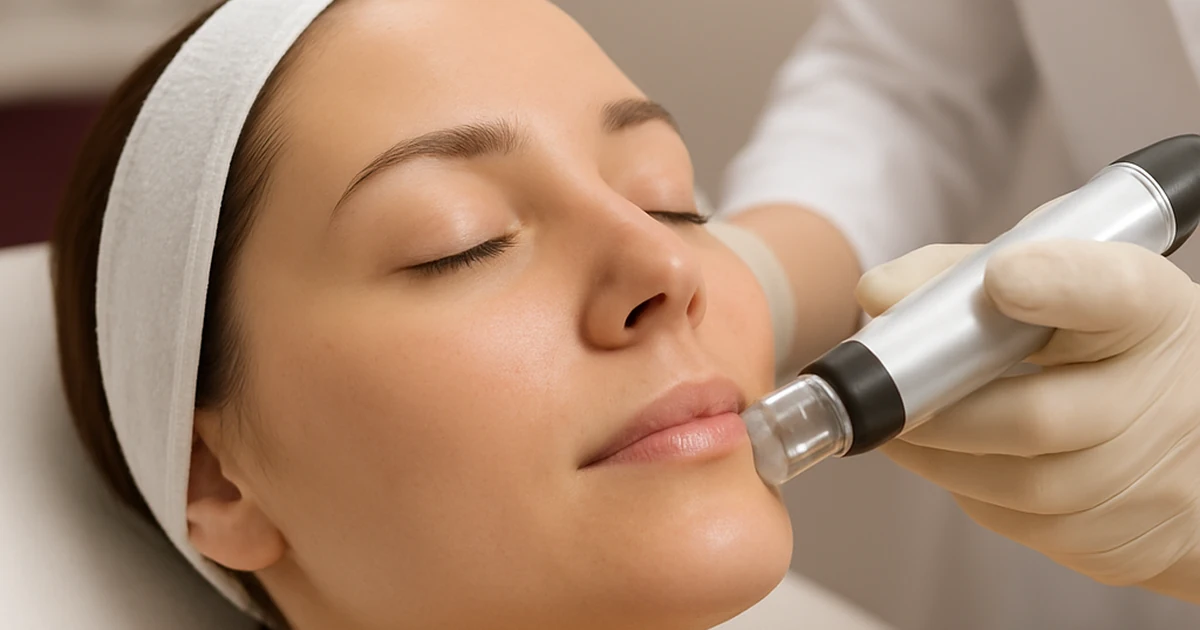
Recovery and safety
RF Microneedling Aftercare: What to Do in the First Week
A clear first-week guide for protecting sensitive skin, understanding normal recovery and knowing when to call the medical team.
RF microneedling aftercare should be simple, gentle and based on the instructions from the clinician who treated you. The skin may feel warm, look pink or darker than usual, and remain sensitive for several days. Recovery differs with the device, needle depth, energy delivered and your skin. Use this guide to understand the questions to ask and the signs that deserve medical review, not as a replacement for your own discharge instructions.
Key takeaways
- Your treating clinician's device-specific instructions take priority over general online recovery timelines.
- Mild redness, warmth, swelling or a sunburn-like sensation can be expected; worsening pain, blisters or spreading redness are not something to ignore.
- Use only products approved by your clinician while the skin barrier is healing; strong actives can irritate newly treated skin.
- Ask when makeup, exercise, sweating and regular sunscreen can safely resume after your particular treatment.
- Contact the treating medical team promptly if you are concerned. RF microneedling has reported rare but serious complications.
Article contents
Immediately After RF Microneedling: The First Hours
After treatment, your face may be red or darker than its usual color, feel warm, have small visible needle marks or appear slightly swollen. These reactions can resemble a mild sunburn. Their degree varies. A gentle treatment and an aggressive pass should not be expected to recover on the exact same schedule.
Do not put random skin-care products on the treated area before you understand your clinic's plan. Skin recently exposed to needles and heat may be more reactive to fragrance, retinoids, acids and some otherwise well-tolerated creams. Ask which cleanser and moisturizer are acceptable and whether a prescribed soothing product is needed.
Do not scrub, pick or exfoliate to speed up healing. If the clinician has applied a post-procedure product, ask what it is and how long you should leave it in place. If you are sent home with verbal advice, request a written copy so that you are not guessing later that evening.
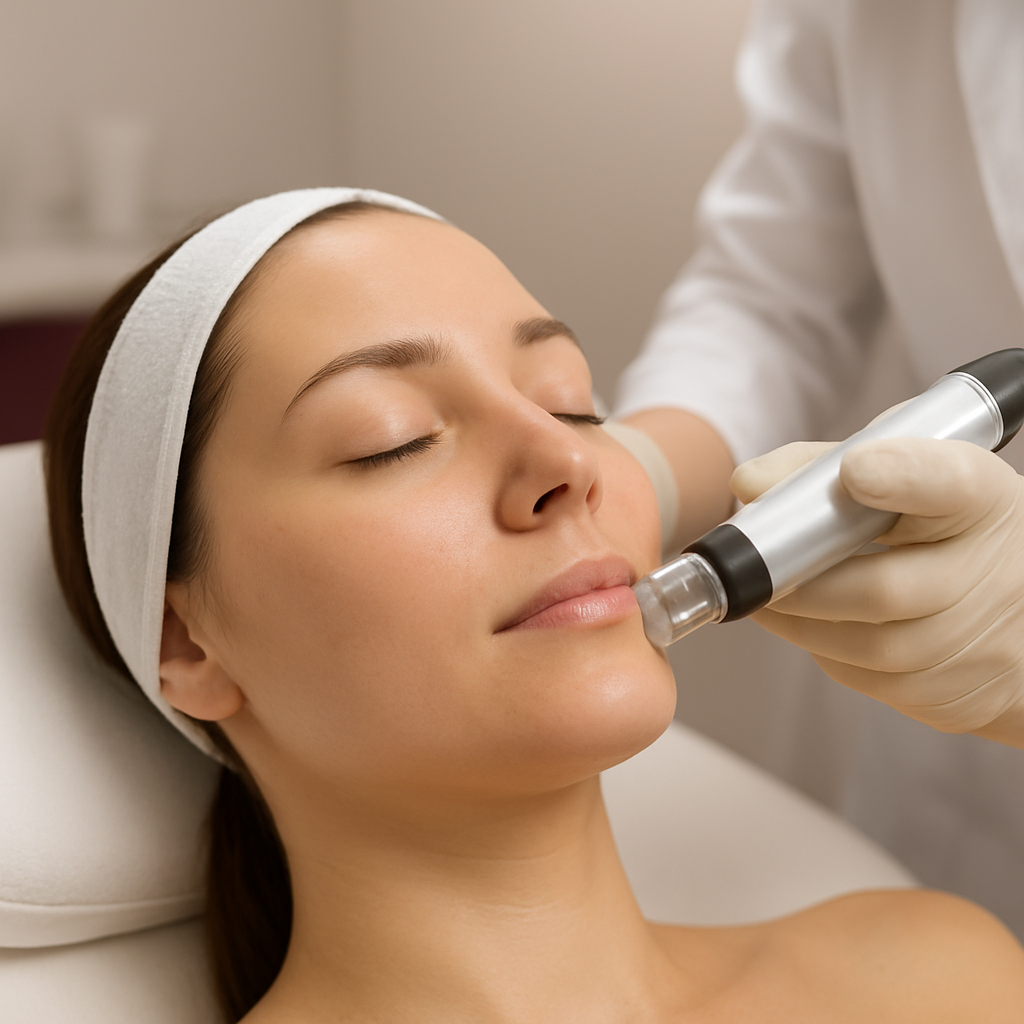
The First 24 Hours: Keep the Routine Minimal
The goal on day one is to reduce unnecessary irritation, not to use as many products as possible. Follow the timing the clinic gave you for cleansing and moisturizing. If cleansing is permitted, use a gentle method rather than brushes, exfoliating pads or vigorous rubbing. Avoid any topical treatment that your clinician asked you to pause.
Ask whether you should avoid hot showers, saunas, strenuous workouts or activities that cause significant sweating while the skin is freshly treated. There is no reliable one-size-fits-all restriction because RF energy and treatment intensity vary. A short list written by your provider is more useful than a universal internet rule.
Makeup timing also matters. The American Academy of Dermatology recommends waiting at least 24 hours after conventional microneedling before makeup; RF microneedling may require longer, depending on the clinical procedure and your recovery. Never assume that a social media demonstration reflects your treatment settings.
- Keep hands, brushes and towels clean and avoid touching the treated skin unnecessarily.
- Use only your provider-approved gentle skin-care products.
- Protect the treated area from direct sun exposure and ask when and how to resume sunscreen.
- Call the clinic if you are unsure about medication, a topical product or a new symptom.
Days Two and Three: Check the Trend, Not Just the Color
During the next two days, some people still have redness, puffiness, dryness or minor roughness. In others, the face looks largely settled. Healing should generally be moving in the right direction, but the rate and appearance are individual. A person prone to pigmentation may notice temporary color changes that need guidance rather than aggressive lightening products.
It is tempting to restart retinol, exfoliating acids, scrubs or strong vitamin C as soon as the redness fades. Appearance alone does not tell you whether your barrier has recovered. Ask your clinician when each active product can be reintroduced. The FDA notes that freshly microneedled skin may be particularly sensitive to ingredients such as retinol, glycolic acid and alcohol.
If an area is becoming progressively more painful, is blistering, develops pus or produces an unusual change in sensation, do not wait for a generic recovery window to end. Contact the treating clinic for an assessment.
Days Four to Seven: Gradually Return to Your Routine
By the end of the first week, many routine microneedling reactions have eased, but deeper or more intensive procedures may take longer. The AAD describes typical conventional microneedling discomfort as lasting several days to a week. RF recovery must be individualized; more intensive parameters can change both symptoms and timing.
Your clinician may allow the return of a simple moisturizer, makeup or the rest of your usual products in stages. Do not reintroduce every active product on the same day. If you have persistent discoloration, a new bump, prolonged tenderness or an area that looks different from the surrounding treated skin, request medical advice before experimenting.
Recovery is not the same as final results. Early puffiness and surface smoothness can make the skin look temporarily different. Collagen remodeling is gradual; the treatment should be evaluated on a clinically sensible schedule rather than judged from a next-day selfie.
RF Microneedling Recovery Timeline at a Glance
This table is a general discussion guide, not a treatment prescription. Your clinician can tell you whether the planned RF settings make a shorter or longer recovery more likely.
| Time | What you may notice | What to confirm with your clinic |
|---|---|---|
| Immediately afterward | Warmth, redness or temporary darker tone, swelling and tenderness. | Approved cleanser, moisturizer, cooling and expected symptom range. |
| First 24 hours | Skin sensitivity may be highest; products may sting. | When to wash, use sunscreen or makeup, and resume exercise. |
| Days 2-3 | Residual redness, dryness or mild roughness may continue. | When to restart strong skincare ingredients and what to report. |
| Days 4-7 | Many reactions begin to settle; individual variation remains. | Whether the barrier has recovered and if a follow-up is needed. |
| Following weeks | Gradual changes may become more apparent as healing continues. | Realistic review date and whether another session is appropriate. |
Sun Protection and Skincare for Egyptian Conditions
In Cairo, commuting, errands and even short outdoor exposure can add sun to skin that is already inflamed. Sun protection matters because pigmentation is one possible post-procedure concern, especially in patients with a history of post-inflammatory hyperpigmentation. Ask for specific advice on direct exposure, hats, shade and the right time to apply your sunscreen.
There is no benefit in treating freshly sensitized skin with a home peel or strong exfoliant to make it look smoother. Concentrate on the barrier-repair plan given to you. If you have acne, rosacea, eczema, melasma or a previous pigmentation problem, ask whether the standard plan should be modified before you leave the clinic.
Some patients use multiple prescription products, including acne medications. Do not independently stop medically necessary medication; instead, coordinate with the prescribing clinician about whether its skin application should be paused around the procedure.
When Recovery Needs a Medical Review
Mild temporary irritation is different from a complication. The US FDA has received reports of burns, scarring, fat loss, disfigurement and nerve injury with certain RF microneedling uses. The safety communication is a reason to take patient selection and follow-up seriously, not to assume that every red mark is dangerous.
Contact a licensed clinician when symptoms worsen instead of improving, especially if pain escalates, blisters form, the skin looks infected or you develop a new area of numbness or weakness. If you have signs of an acute severe reaction, seek urgent medical attention. A qualified team should tell you how to reach them outside normal office hours.
Taking a clear, dated photograph can help the clinic compare changes. Avoid diagnosing yourself from image searches. Early management is preferable to testing multiple over-the-counter remedies on irritated skin.
- Worsening pain rather than gradually settling tenderness.
- Blistering, burns, draining lesions or spreading redness.
- Fever or signs of possible infection.
- New persistent numbness, weakness or marked asymmetry.
- Unexpected focal contour change or a symptom that alarms you.
Get an Aftercare Plan Before You Book
A responsible RF microneedling appointment should include pre-treatment screening, risk discussion and a specific written aftercare plan. Ask who will perform the treatment, what device is used, whom you can contact afterward and whether a checkup is included. You should know how long the clinic advises waiting before an important event, even though no healing time can be promised.
If you have not booked yet, start with the parent RF microneedling guide and compare conventional and RF options by your actual treatment goal. If you have already been treated, use your provider's instructions first and contact them for any unexpected changes. The best aftercare advice is the advice tailored to the procedure you actually received.
Frequently asked questions
How long does RF microneedling redness last?
Redness or temporary darker coloration often settles over several days, but deeper settings and personal skin response can change the timeline. Conventional microneedling reactions may last a few days to a week, according to the AAD. If redness becomes progressively worse, feels unusually painful or is accompanied by blisters, contact the treating medical team.
Can I wear makeup the day after RF microneedling?
Do not assume the next day is safe without asking the treating clinician. The AAD advises waiting 24 hours after conventional microneedling, but RF treatment may require different restrictions based on depth and energy used. Ask when the skin has recovered sufficiently and use clean application tools when you resume.
Can I use retinol or vitamin C after RF microneedling?
Strong active skincare can irritate skin after a needle-based procedure. The FDA notes that products with retinol or glycolic acid may be particularly uncomfortable after microneedling. Pause or resume products only as directed by your clinician; the correct timing depends on skin sensitivity, the procedure and whether your products are prescription treatments.
What should I avoid during the first week after RF microneedling?
Avoid picking, scrubbing, unapproved exfoliants and unnecessary irritation. Ask your clinician how long to avoid heavy sweating, saunas, makeup and sun exposure for the exact treatment you received. First-week advice should be tailored rather than based on a universal internet timetable.
When should I call a doctor after RF microneedling?
Seek medical advice promptly for worsening pain, significant blistering, spreading redness, pus, fever, new numbness, weakness or an unexpected change in contour. Serious complications have been reported with certain RF microneedling devices. It is better to have a concerning change assessed than to wait for a generic recovery time to pass.
Sources & evidence
The clinical information below uses published guidance and literature. Evidence strength varies by device and indication; these references do not replace an individual medical assessment.
Need Advice About Your Skin After Treatment?
If you were treated at Magenta Clinique, contact your medical team directly for individualized follow-up. If you are considering a session, ask about aftercare before booking.
Ask Magenta CliniqueContinue with a focused guide
Published 2026-10-08. Prepared by the Magenta Clinique Editorial Team for patient education. This information is not a diagnosis or a treatment recommendation; your clinician's personalized instructions take priority.