Laser hair removal safety
Laser Hair Removal for Dark Skin in Cairo: A Safety Guide
What patients with medium to deep skin tones need to know about safe laser planning, realistic results and pigmentation protection.
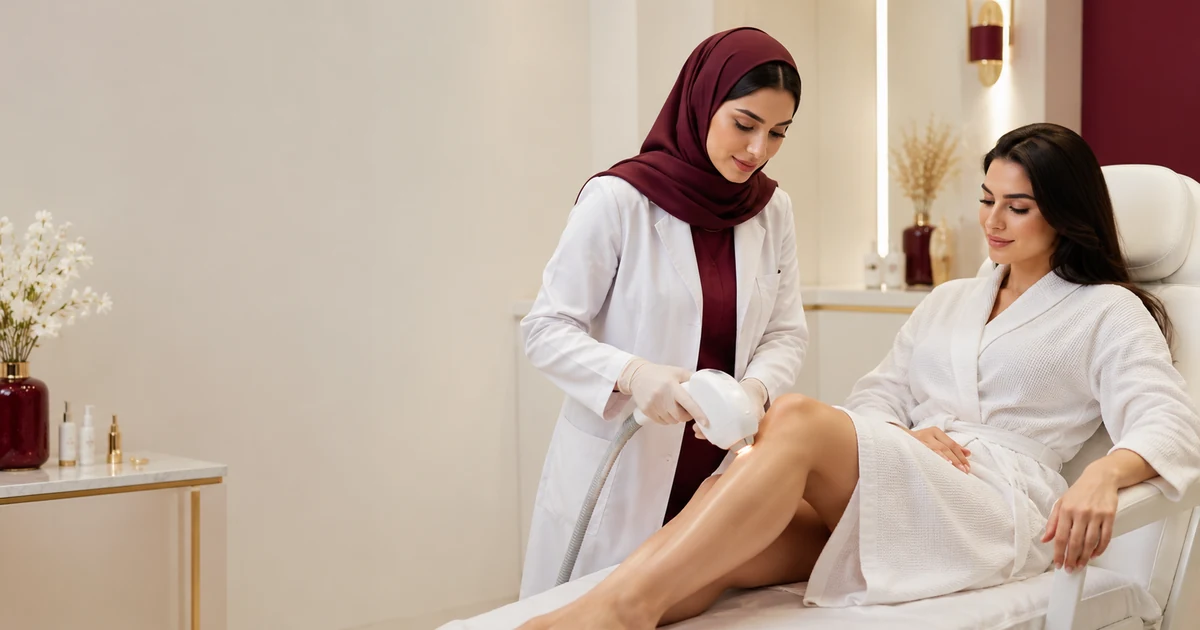
Laser hair removal for dark skin can be an option, including for many brown and deeper Egyptian skin tones, when the provider selects the correct technology and settings. The major issue is not whether your skin is too dark; it is how the laser distinguishes pigment in unwanted hair from pigment in surrounding skin. This guide focuses on safe candidate assessment and practical questions to ask, not on selling a one-size-fits-all session package.
Key takeaways
- Laser hair removal can be suitable for darker skin tones, but device choice, settings and operator experience are essential.
- Pigment in the skin competes with pigment in the hair, increasing the need to avoid burns and unwanted color changes.
- Long-pulsed Nd:YAG is often considered for deeper skin tones; the device and its settings must still be individually selected.
- Laser works best on appropriately pigmented hair and does not treat an underlying cause of excess hair growth.
- Avoid recent tanning and follow clinician-specific preparation and aftercare instructions rather than generic internet rules.
Article contents
Can Laser Hair Removal Work on Brown and Darker Skin?
Yes, for many patients. The American Academy of Dermatology explains that advances in laser technology have expanded treatment options beyond the older model of light skin and dark hair. But the same source warns that burns, lasting pigment changes and scars can occur when lasers are used without appropriate medical expertise.
Hair-removal lasers target pigment associated with hair growth. Deeper skin tones contain more melanin in the surrounding skin, so treating hair without overheating the epidermis requires careful equipment and parameter selection. This is why simply advertising a machine as safe for all skin types is not enough to establish that a particular operator and protocol suit you.
Skin color is not the only variable. Hair thickness, color, location, hormonal factors, recent tanning, skin conditions and previous laser reactions all affect the discussion. A patient with fine, lightly pigmented facial hair has a different challenge from someone with coarse dark leg hair.
Which Laser Types Are Considered for Darker Skin?
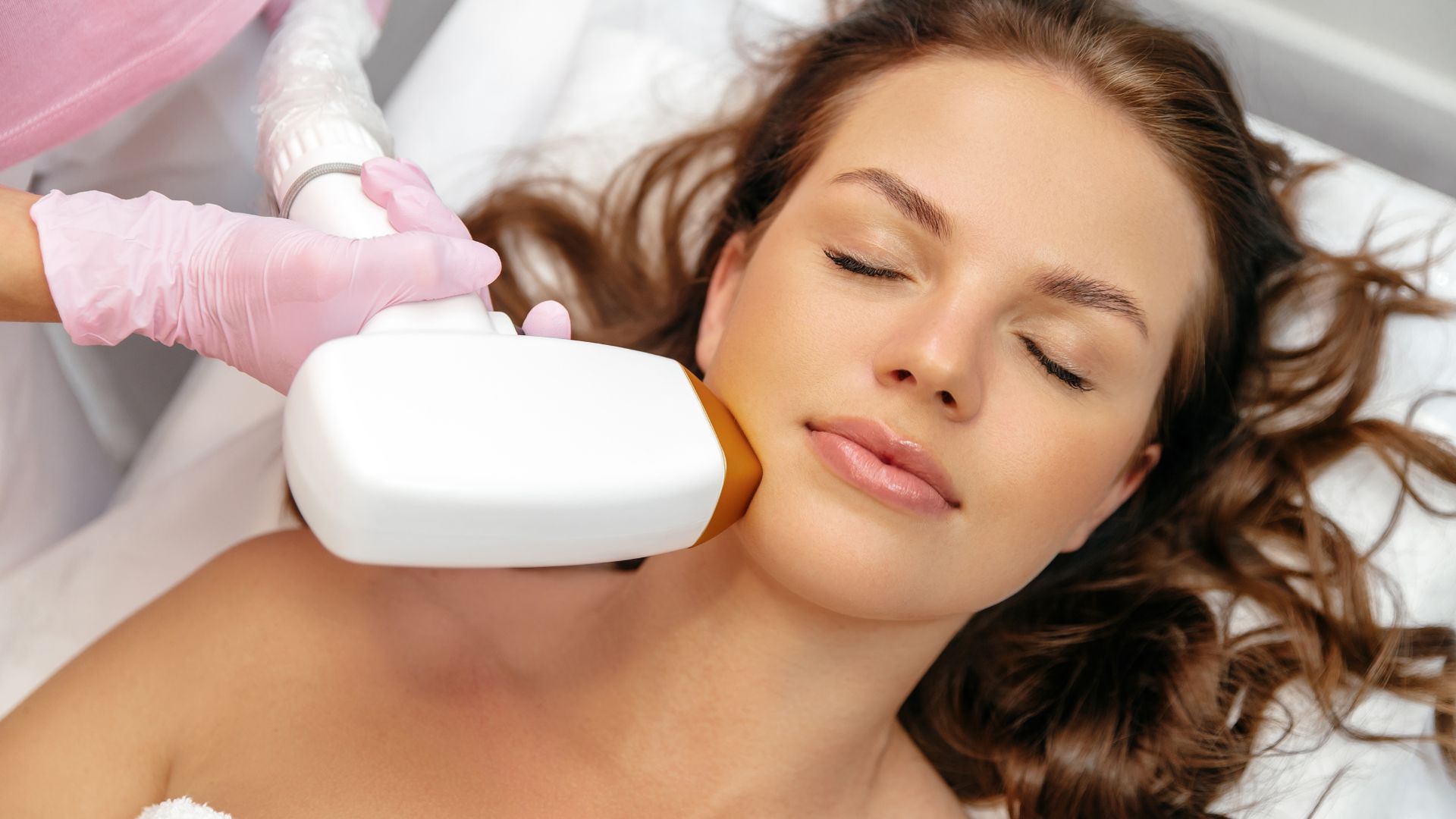
Longer-wavelength lasers, especially long-pulsed 1064 nm Nd:YAG systems, are commonly discussed for deeper skin tones because of their interaction with skin melanin. Other devices may also be appropriate for certain skin and hair combinations. The crucial point is that no single wavelength removes all risk, and a provider must understand the properties of the exact platform.
Ask which device the clinic has, what hair and skin combination it is intended for, and how the parameters will be chosen. A cooling system, trained operator and careful technique matter alongside wavelength. Avoid using the word laser as if every device is interchangeable with every other device or with intense pulsed light.
The supplied Magenta Clinique website files describe laser hair removal but do not verify the exact model available at each branch. This guide therefore does not claim the clinic uses a specific Nd:YAG system. Confirm the platform during your consultation.
| Factor | Why it matters | Ask your clinician |
|---|---|---|
| Laser wavelength | Changes how energy interacts with hair and skin pigment. | Which wavelength is proposed for my skin and why? |
| Pulse settings | Influence the delivered energy and potential side effects. | How will the settings be chosen and adjusted? |
| Cooling and technique | Help protect the surface and manage treatment comfort. | How will my skin be protected during the session? |
| Hair characteristics | Fine or pale hairs may respond poorly compared with coarse pigmented hairs. | Which of my areas are likely to respond well? |
| Operator experience | Treatment on deep skin tones requires relevant knowledge and response monitoring. | What experience do you have treating similar skin tones? |
Pigmentation, Burns and Other Risks to Understand
Post-inflammatory hyperpigmentation is a concern when skin becomes inflamed or injured and later develops darkened areas. A 2026 clinical review in the Journal of the American Academy of Dermatology highlights increased risks of pigment change, blistering and scarring when lasers are poorly matched to more melanated skin. These concerns warrant careful counseling, not a blanket exclusion from treatment.
Temporary redness and perifollicular swelling can occur after laser treatment. However, marked pain, blistering, significant burns or persistent pigment alteration should prompt medical review. Do not try to correct a possible burn with home acids, bleaching mixes or other aggressive products.
If you have a history of keloid scarring, melasma, post-inflammatory marks, recent sunburn or a poor response to a previous laser, raise it before your first session. An experienced clinician may revise the settings, delay the procedure or advise that laser is not currently the best option.
Before Your First Session: The Assessment Checklist
The AAD advises patients to tell their dermatologist about a tendency to scar, recent tanning, keloids, recurrent herpes, isotretinoin use and medications. The right preparation depends on the site, the device and your medical history. Do not stop prescription medication without advice from the prescriber.
The clinic should discuss the difference between hair reduction and complete hair elimination, outline expected follow-up and explain why multiple appointments are commonly needed. Hormone-related hair growth may require medical evaluation as well as cosmetic management. A laser can reduce treated hair but does not correct the medical cause of new hair growth.
For brown or darker skin, ask whether the clinician recommends a test area and how they will evaluate the skin response before proceeding with larger areas. A patch test may be useful in selected cases but does not guarantee that every future session will be complication-free.
- 1
Describe your hair and skin history
Mention recent sun exposure, tanning, medications, hormone concerns, prior laser treatments and any pigment changes after inflammation.
- 2
Confirm the equipment and provider
Ask about the laser platform, cooling, training and experience with your skin tone.
- 3
Set a realistic goal
Discuss which areas are likely to respond and why maintenance may sometimes be needed.
- 4
Ask about a patch test
Clarify when testing is recommended and how results would change the treatment plan.
- 5
Take home written aftercare
Know how to protect the skin and whom to call if you develop unusual pain, blistering or pigmentation.
How to Prepare Without Increasing Irritation
Avoid outdoor or indoor tanning before your laser appointments. The AAD also recommends sun protection, including broad-spectrum, water-resistant sunscreen of at least SPF 30 when outdoors. Follow the treating clinician's instructions on shaving, hair-removal methods and skin-care products; these may differ according to the treated area and the device.
Do not assume that skin-lightening products or strong exfoliants will make the laser safer. Irritating the barrier before an energy-based treatment can create another problem. If you use acne treatment, retinoids, prescription creams or products for melasma, ask whether and when they should be adjusted.
If you are pregnant, breastfeeding, taking medications or managing a relevant medical condition, explain that before the appointment. Treatment decisions are individualized; a general blog cannot establish whether a specific situation is suitable for laser.
Aftercare for Pigmentation-Prone Skin
Your clinician may advise gentle cleansing, cooling measures or moisturization depending on the reaction. Keep the skin protected from unnecessary friction and sun exposure while it settles. If sunscreen or other products cause stinging, ask the clinic for guidance rather than forcing an irritating formula onto compromised skin.
Avoid picking or scratching bumps and do not experiment with depigmenting peels immediately afterward. Track any dark spots, new color changes or unusual discomfort with dated photographs and report them to your provider. A significant reaction should be assessed promptly rather than hidden until the next appointment.
Hair shedding, regrowth and response vary. A single session may reduce some hairs but is not a promise of permanent full removal. Follow-up intervals are based on body area, hair cycle and how your skin recovers, rather than a fixed calendar copied between patients.
Who May Need a Different Plan?
Light blonde, white, gray or certain red hairs typically respond less predictably because they have less suitable target pigment. Fine facial hair may also behave differently from coarse body hair; treatment of some facial areas carries considerations that the clinician should explain, including the possibility of an unsatisfactory response or paradoxical hair growth.
If excess facial or body hair appeared suddenly, is accompanied by irregular periods or other symptoms, or keeps returning despite multiple sessions, consider a medical assessment for possible hormonal factors. Cosmetic laser treatment does not diagnose or treat endocrine causes.
If you have recent tanning, active infection, a poor wound-healing history or other contraindications, postponement or a different approach may be safer. The best decision may be to wait rather than rush before a holiday or wedding.
Choosing a Laser Clinic in Cairo for Deeper Skin Tones
Ask a practical question: What would this clinician do differently for my skin compared with a lighter or darker patient? A thoughtful explanation of the planned device, settings, cooling, pigmentation history and follow-up is a better trust signal than an advertising claim that one machine is best for everyone.
When comparing laser hair removal clinics in Maadi and New Cairo, request a current quote that specifies treated areas and whether it covers a single session or package. The source website files did not establish a verified 2026 price, and package sizes are not interchangeable. Ensure that pricing is secondary to suitable patient assessment and safety.
Magenta Clinique provides separate location guides for its laser-hair-removal offering. Use those pages for branch-specific information; this page owns the narrower question of laser safety for medium and deeper skin tones.
Frequently asked questions
Is laser hair removal safe for dark skin in Egypt?
Laser hair removal can be an option for deeper skin tones, but safety depends on equipment, settings, operator experience, skin history and aftercare. There is no device that removes all risk of burns or pigmentation changes. Ask a qualified clinician to assess your skin and hair, explain the planned platform and discuss possible complications.
Which type of laser is best for darker skin tones?
Long-pulsed Nd:YAG is commonly considered for deeper skin tones, but it is not automatically best for every individual. Your hair pigment, skin tone, treatment area, medical history and the precise device settings matter. Ask the treating clinic which system it uses; the supplied Magenta Clinique files do not confirm a particular laser model.
Can laser hair removal cause dark spots?
Yes. Excess inflammation or injury can cause post-inflammatory hyperpigmentation, especially in pigmentation-prone skin. Poor settings can also cause burns, pale patches or scarring. Proper patient assessment, laser selection, sun precautions and prompt review of unusual reactions are important for reducing risk.
Does laser hair removal work on very fine or light-colored hair?
Results are often less predictable on hairs with little target pigment. White, gray, blonde and some red hairs are usually harder to treat; fine facial hairs may also respond less reliably. A clinician should examine the hair rather than promising full removal based only on a package description.
How many sessions will I need for laser hair removal in Cairo?
Hair grows in cycles, so multiple visits are commonly needed. The appropriate number and interval depend on area, hair color and thickness, hormones, skin response and technology. The treating clinician should provide a personalized estimate and explain that maintenance may sometimes be necessary.
Sources & evidence
The clinical information below uses published guidance and literature. Evidence strength varies by device and indication; these references do not replace an individual medical assessment.
Ask About Laser Treatment for Your Skin Tone
Request a clinician-led assessment and ask which laser platform, protective steps and current treatment options suit your individual skin and hair.
Ask Magenta CliniqueContinue with a focused guide
Published 2026-10-08. Prepared by the Magenta Clinique Editorial Team for patient education. This information is not a diagnosis or a treatment recommendation; your clinician's personalized instructions take priority.